


Control the Air, Control the Cost
Tire performance is often evaluated through visible results—wear, traction, durability, and lifespan. But behind all of these outcomes lies a single variable that is frequently underestimated: tire pressure. At its core, a tire does not carry a load on its own. The structure supports it, but it is the air inside that does the real work.
Every PSI contributes to how the tire behaves, how it distributes weight, and how long it will last. Small deviations may seem harmless, but over time, they accumulate into measurable cost, reduced efficiency, and premature failure.
What makes pressure management challenging is how quietly problems begin. When a tire runs underinflated, the change is not always immediately noticeable. The vehicle continues to operate, performance might only shift slightly, and nothing seems urgent. However, inside the tire, the conditions are already changing. The sidewalls begin to flex more than intended, generating internal friction. That friction produces heat, and over time, that heat weakens the tire’s internal structure.
This process is gradual and often invisible. By the time damage becomes visible, the tire has already lost a significant portion of its usable life.
Tire failure rarely happens in a single moment. It develops over time through repeated stress. Every rotation, every load, and every movement contributes to the condition of the tire. When pressure is not properly maintained, these repeated cycles amplify the stress placed on the structure. What initially appears as a small imbalance can evolve into internal damage, often before any external signs appear.
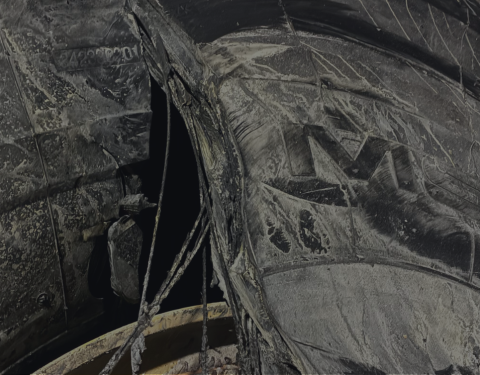
More severe outcomes, such as exposed belts or sidewall rupture, are not isolated incidents. They are the final result of accumulated strain, flex, heat, fatigue, and improper pressure over time. Understanding this progression shifts the focus from reacting to failures to preventing them entirely.
Before reaching that point, vehicles often provide subtle signals. Drivers and operators may notice a difference in stability, a sense of increased movement, reduced traction, or higher-than-normal heat. These are not minor variations, they are early warnings that the tire is not operating within optimal conditions.
From a business perspective, tire pressure is more than a technical detail, it is a direct driver of cost. When pressure is inconsistent, tire life is reduced, operating efficiency declines, and the likelihood of unexpected service interruptions increases.
Conversely, when pressure is maintained correctly, the benefits are immediate and measurable:
longer tire life, reduced heat-related damage, fewer failures, and more reliable performance.
Another factor that influences pressure—and is often overlooked—is temperature. Tire pressure is not static; it responds to environmental conditions. Even moderate temperature changes can affect internal pressure, meaning that a tire adjusted under one condition may behave differently just hours later.
What seems like a correct setting can drift outside the optimal range, creating imbalance and additional stress within the tire.
Consistent performance depends less on complex systems and more on disciplined habits. High-performing operations treat pressure management as a routine, not an exception. They check tires regularly, ideally before operation when conditions are stable, and they act on early signs rather than waiting for visible damage.
Small corrections made consistently prevent larger, more expensive problems later.


Tracking performance reinforces this discipline. Monitoring how often tires are checked, how consistently they remain within the correct pressure range, and how long they last before replacement provides a clear picture of operational efficiency. These are not just maintenance indicators, they are reflections of cost control and operational quality.
In the end, tire performance is not defined by a single event, but by the accumulation of daily decisions. Pressure, although simple in concept, plays a central role in those decisions.