


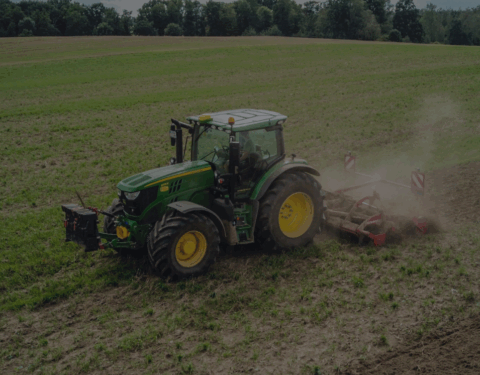
Quick Learning: Understanding Ag Tire Sidewall Nomenclature
Agricultural tires are more than just rubber and tread, they’re precision tools engineered for performance, safety, and efficiency. But to get the most out of them, you need to understand what all those numbers and letters on the sidewall actually mean.
In this post, we’ll walk you through the key elements of tire sidewall nomenclature, from brand names to tire sizing, load index, and speed ratings.
Brand & Product Name
The first thing you’ll notice on a tire’s sidewall is the brand name. Next is the product name, such as TM1000, which identifies the specific model within the brand’s lineup. This helps you match the right tire to your equipment and application.
Load Index & Speed Symbol
Located near the tire size, these two codes are essential for understanding your tire’s capabilities:
• Load Index (LI): This number indicates the maximum load a tire can carry under standard conditions. For example, a Load Index of 184 means the tire can support 19,720 lbs.
• Speed Symbol (SS): This letter tells you the maximum speed the tire can safely handle:
A-rated = up to 25 mph
D-rated = up to 40 mph
Tire Sizing Explained
Let’s break down a common ag tire size:
VF 800/70R38Each part of this code tells you something important:VF = Very High Flexion
Allows the tire to carry more load or operate at lower air pressure, improving traction and reducing soil compaction.
800 = Section Width in millimeters
This tire is 800 mm wide, or about 31.5 inches (800 ÷ 25.4).
70 = Aspect Ratio
The sidewall height is 70% of the section width, which equals 560 mm in this case.
R = Radial Construction
Indicates the tire has radial ply construction, offering better ride comfort and longer tread life.
38 = Rim Diameter in inches
This tire fits a 38-inch rim.
Understanding tire sidewall nomenclature helps you Select the right tire for your equipment, ensure safe and efficient operation and optimize load capacity.