


Winter Tire Care for Agriculture: Why Proper Storage, Maintenance & Cold‑Weather Prep Matter
When winter temperatures drop, agricultural tires face unique challenges that can shorten their lifespan, reduce performance, and increase downtime during the busy season. At Sedam Tire, we’re committed to helping our farming and agricultural customers protect their tire investment year‑round.
To help highlight best practices for cold‑weather tire care, we’re drawing on insights from AGProud’s recent article, “Winterproof Your Farm Tires: Essential Tips for the Cold Season,” which emphasizes how proper storage, maintenance, and daily care play a critical role in tire longevity during winter months.
Why Cold Weather Affects Agricultural Tires
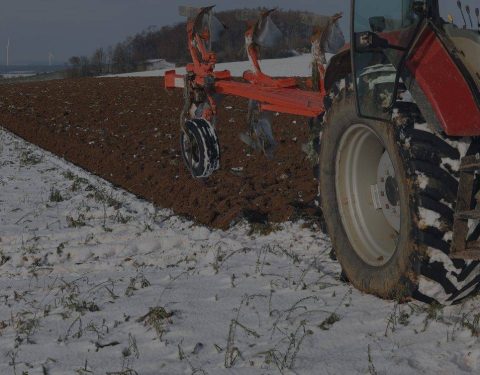
Winter conditions can turn fields and lanes into hidden hazards. Frozen ruts, hardened mud clumps, and crop stubble can act like sharp obstacles, increasing the risk of punctures and sidewall damage. It is important to minimize travel on rough, frozen surfaces when possible and maintain smoother travel paths for feeding, hauling, or snow removal. Even small changes in driving routes can significantly reduce tire damage during winter.
Cold temperatures cause air to contract, leading to a drop in tire pressure, often by as much as 1 PSI for every 10°F decrease. This pressure loss can impact load capacity, traction, and tire wear if not addressed regularly. Underinflated tires flex more, increasing sidewall stress and uneven wear, while overinflated tires can reduce traction and increase the risk of damage on frozen or uneven ground. Maintaining the correct inflation pressure is one of the simplest yet most effective ways to extend tire life during winter.
That is why roper storage during the off‑season is just as important as daily maintenance. Agricultural equipment that isn’t used regularly in winter should, whenever possible, be stored indoors to protect tires from extreme cold, moisture, and UV exposure.
Sedam Tire recommends:
- Storing equipment in a dry, covered area
- Ensuring tires are properly inflated before storage
- Avoiding prolonged contact with ice, snow, or frozen ground
- Periodically rotating stationary equipment to prevent flat spotting
These steps help prevent rubber from becoming brittle and cracking as temperatures remain low.
Regular Inspection & Maintenance Pay Off
Cold‑weather tire care isn’t just about storage, it’s about consistent inspection. Checking tire pressure weekly (or daily for heavily used equipment), inspecting for visible damage, and addressing issues early can prevent costly repairs or replacements come spring.
At Sedam Tire, our agricultural specialists can help:
- Check and adjust tire pressures
- Inspect for winter‑related wear or damage
- Recommend tires better suited for cold, wet, or frozen conditions
- Provide guidance on winter‑optimized performance solutions
As AGProud’s article reinforces, a few proactive steps during winter can make a significant difference when fieldwork ramps back up in spring. Adequate storage, proper inflation, cautious driving, and routine checks help ensure your agricultural tires deliver reliable performance when you need it most.
If you have questions about winter tire care or need assistance preparing your equipment for cold weather, Sedam Tire is here to help. Our team understands the demands of agricultural work, and the importance of tires you can depend on all year long.
📞 Contact Sedam Tire today to schedule an inspection or speak with one of our ag‑tire experts.